Rice Starch Saccharification Enzyme for Rice Sweetener Production
Enzymesvalue supplies rice starch saccharification enzyme solutions for rice syrup factories that need reliable conversion from liquefied rice dextrins into sweetener-grade sugars.
In rice syrup production, saccharification is where plant performance becomes commercial performance. If conversion is slow, residual dextrin remains high, sweetness drifts, viscosity stays heavy, filtration becomes less predictable, and batches require more correction time. The right glucoamylase system helps your plant hold a steadier conversion profile and produce syrup with more dependable quality.
Enzymesvalue works with rice syrup producers as an enzyme supplier for rice syrup production, focused on practical outcomes: stable DE development, predictable viscosity reduction, better downstream behavior, and technical support that understands factory realities.
What the Saccharification Enzyme Does
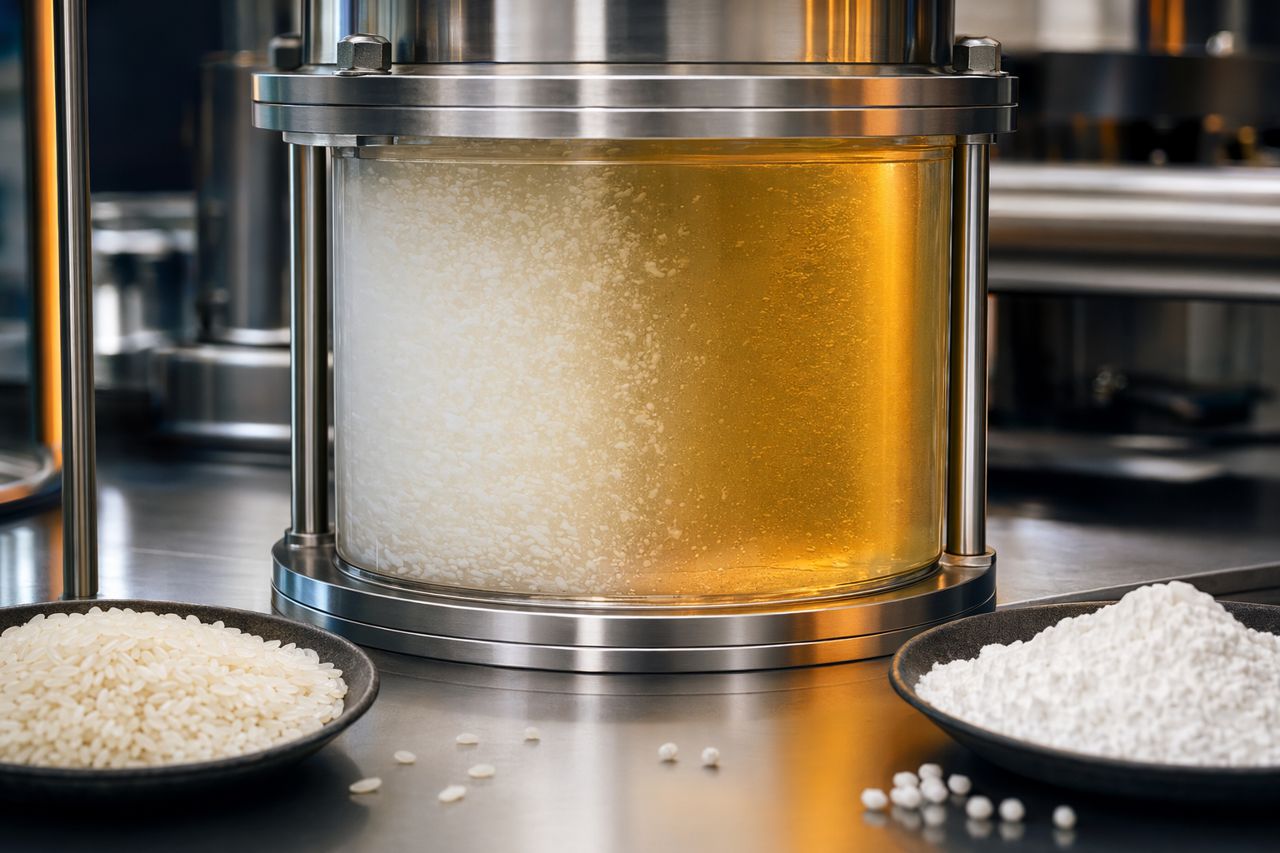
After rice starch liquefaction, the starch has been reduced into soluble dextrins. Saccharification uses glucoamylase to continue hydrolysis and release fermentable and sweetener-grade sugars.
For rice syrup factories, this step affects:
- Final sweetness and sugar profile consistency
- DE rise and conversion completion
- Residual dextrin control
- Syrup body, viscosity, and mouthfeel
- Filtration and clarification behavior
- Batch cycle stability
- Rework risk and production scheduling
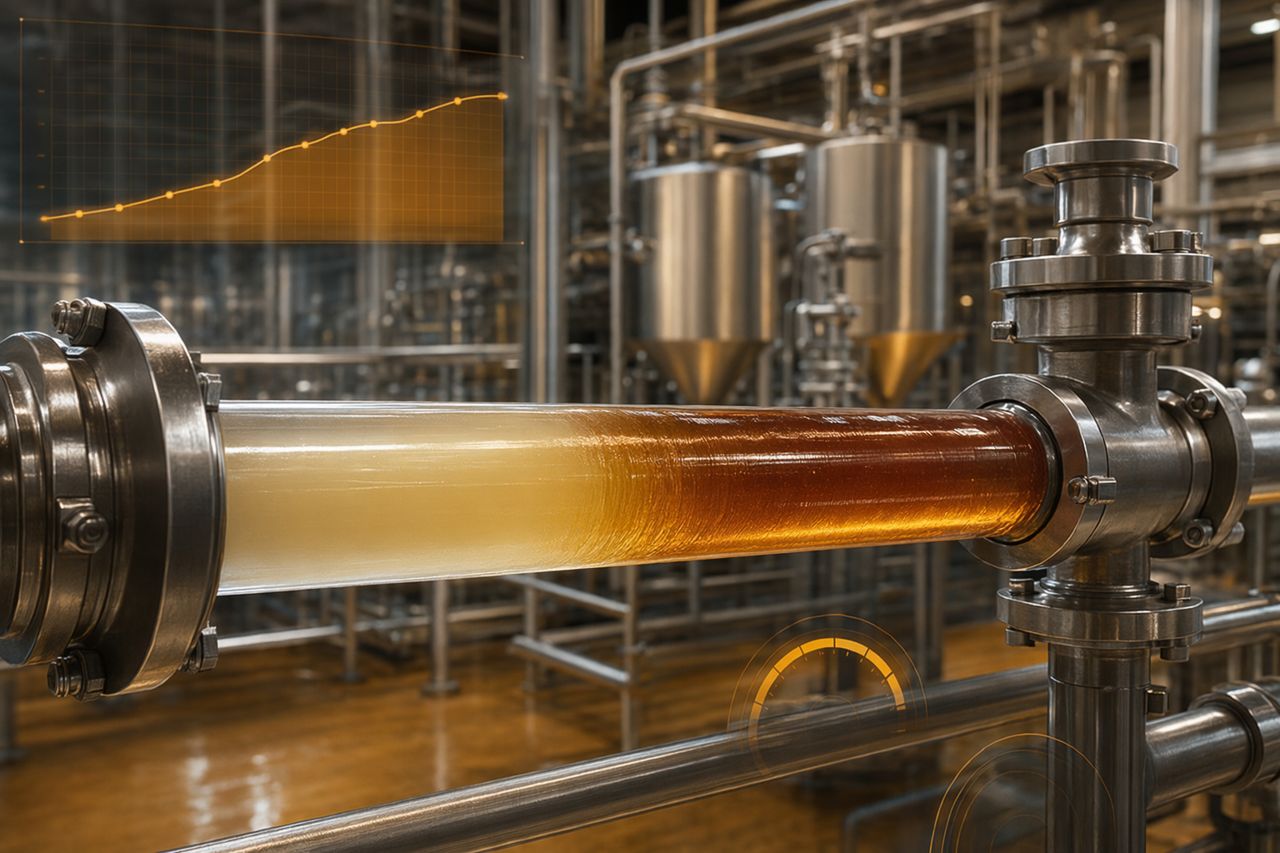
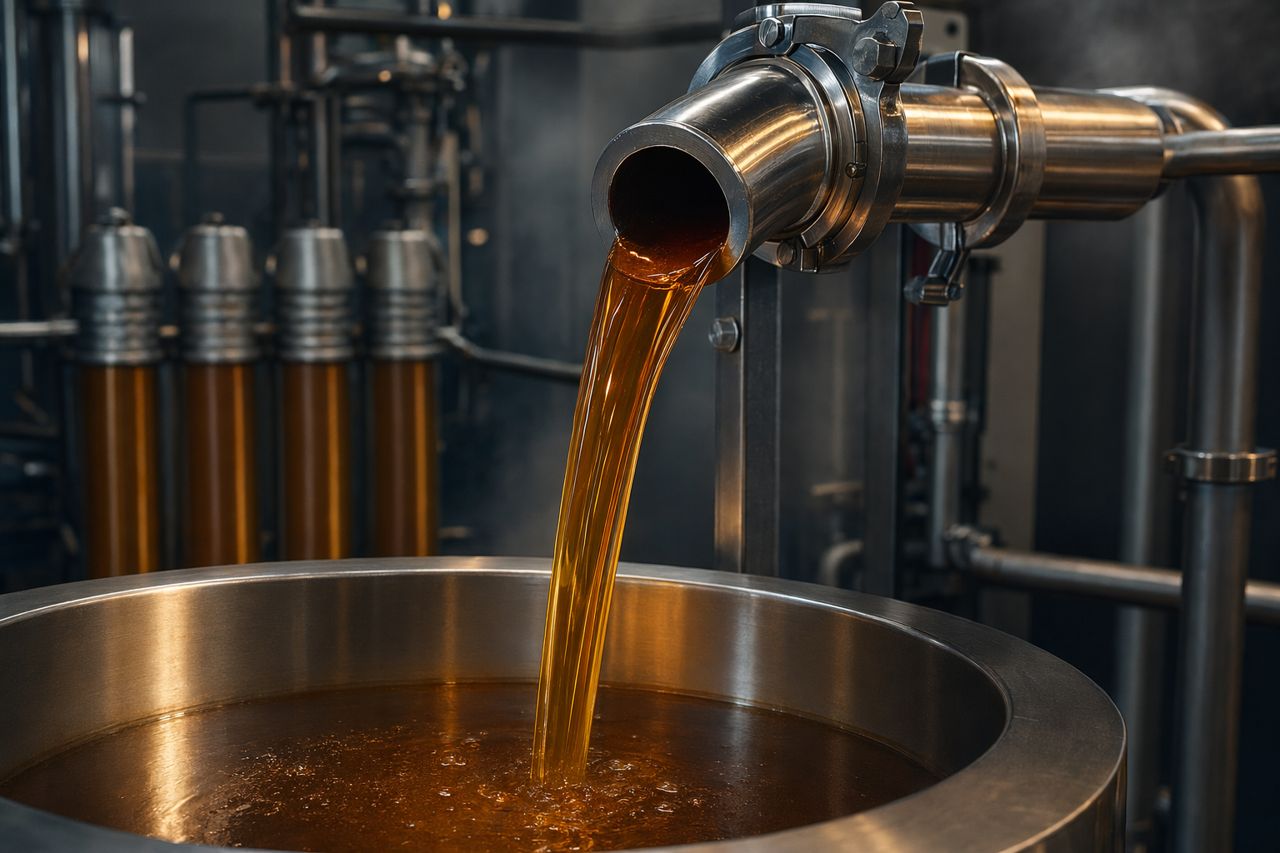
A well-matched saccharification enzyme helps the process move from cloudy, dextrin-heavy slurry toward a cleaner, smoother amber syrup with fewer surprises at finishing.
Common Plant Symptoms Enzymesvalue Helps Address
Slow DE Rise
If DE climbs too slowly after liquefaction, the plant may face extended holding time, delayed downstream operations, and pressure on production planning. Enzymesvalue helps evaluate whether the enzyme fit, process window, liquefaction quality, or substrate condition is limiting conversion speed.
Residual Dextrin After Saccharification
High residual dextrin can leave syrup heavier than intended, with inconsistent sweetness and less predictable finishing behavior. A suitable glucoamylase solution supports more complete breakdown of dextrins and a cleaner end-point profile.
Inconsistent Sweetness Between Batches
When sweetness varies, the issue is not only a lab number. It affects customer acceptance, blending decisions, and confidence in repeat orders. Enzymesvalue supports batch-to-batch consistency through enzyme selection, process review, and practical application guidance.
High Viscosity and Poor Flow
Rice-based substrates can behave differently depending on raw material quality, liquefaction performance, solids handling, and conversion completeness. Improved saccharification can reduce viscosity stress and support smoother transfer, holding, and finishing.
Filtration or Clarification Instability
Residual dextrin and incomplete conversion can contribute to difficult filtration and variable clarification behavior. By improving the saccharification stage, plants can support more stable downstream separation and reduce avoidable downtime.
Why Rice Syrup Producers Choose Enzymesvalue
Enzymesvalue is built for industrial buyers who need more than a product name. We support the production team behind the purchase order.
Plant-Floor Practicality
We speak in terms your team can act on: conversion curve, hold time, viscosity trend, filtration load, batch release confidence, and total process stability.
Enzyme Fit for Rice Substrates
Rice starch streams can vary by variety, milling quality, liquefaction history, and solids profile. Enzymesvalue helps match the saccharification enzyme approach to the actual process conditions inside your plant.
Commercially Useful Consistency
Stable syrup quality reduces firefighting. Better conversion control can support repeatable sweetness, smoother finishing, and fewer production interruptions.
Technical Support That Stays Grounded
Enzymesvalue can help review your process targets, symptoms, and operating constraints so the enzyme recommendation is tied to real production goals rather than generic catalog language.
Where the Enzyme Fits in the Rice Syrup Process
A typical rice syrup process includes:
- Rice starch slurry preparation
- Liquefaction to reduce starch viscosity and form soluble dextrins
- Saccharification with glucoamylase to convert dextrins into sugars
- Clarification and filtration
- Decolorization or refining as required
- Evaporation to target solids
- Storage, blending, and shipment
The saccharification enzyme works after liquefaction. Its job is to drive conversion toward the desired sugar profile while supporting the viscosity and process behavior required for reliable downstream handling.
Application Considerations for Factory Teams
Enzymesvalue can help your team evaluate the saccharification stage based on:
- Liquefaction quality before enzyme addition
- Temperature and pH profile during conversion
- Desired DE and sweetness target
- Batch or continuous process design
- Holding time and tank availability
- Filtration performance after saccharification
- Syrup color and refining requirements
- Final product specification and customer requirements
The goal is not simply to add enzyme. The goal is to make conversion dependable enough that the plant can run with fewer corrections, fewer delays, and more confidence in the finished syrup.
Buyer Value: What Better Saccharification Can Improve
For rice syrup manufacturers, a better saccharification enzyme program can support:
- Faster and more reliable conversion progress
- Lower residual dextrin risk
- More consistent sweetness and DE outcome
- Reduced viscosity-related handling problems
- Smoother filtration and clarification behavior
- Better batch repeatability
- Less operator intervention and rework
- More predictable production scheduling
- Stronger confidence in customer-facing syrup quality
Built for Rice Sweetener Production
Rice syrup plants need enzyme supply that is dependable, technically credible, and commercially responsive. Enzymesvalue positions enzyme selection around your production reality: raw material variation, process constraints, quality targets, and the need to keep syrup moving.
Whether your team is troubleshooting slow DE rise, improving batch consistency, or qualifying an alternative supply source, Enzymesvalue can support your next trial with clear documentation and practical technical communication.
Request a Quote
Tell us about your rice syrup process, current saccharification challenge, target syrup profile, and purchasing requirements. Enzymesvalue will respond with a practical enzyme recommendation and quotation for your plant.
Use the on-site request a quote form to contact Enzymesvalue.