Rice Starch Liquefaction Enzyme for Syrup Factories
Enzymesvalue supplies rice starch liquefaction enzyme solutions for rice syrup factories that need dependable slurry thinning, smooth cooking behavior, and consistent downstream processing.
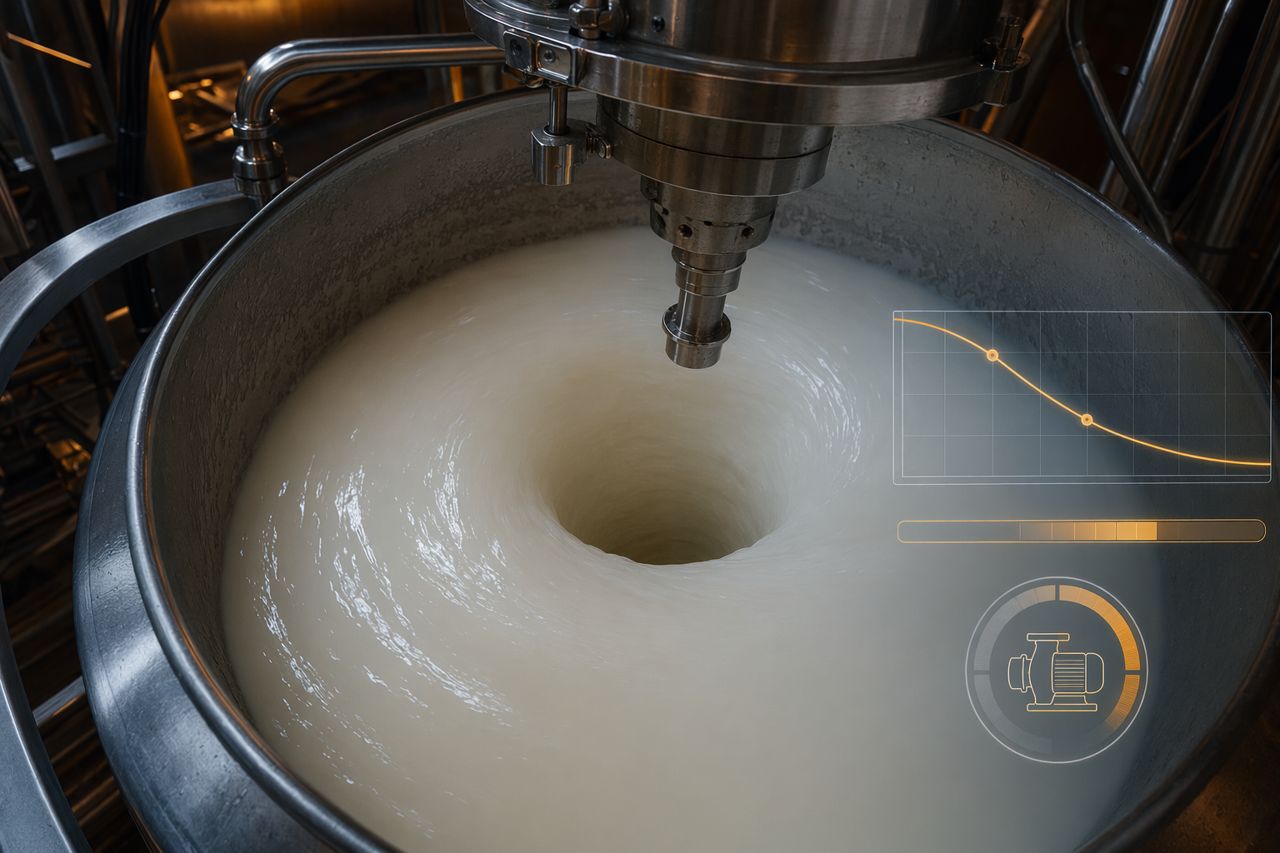
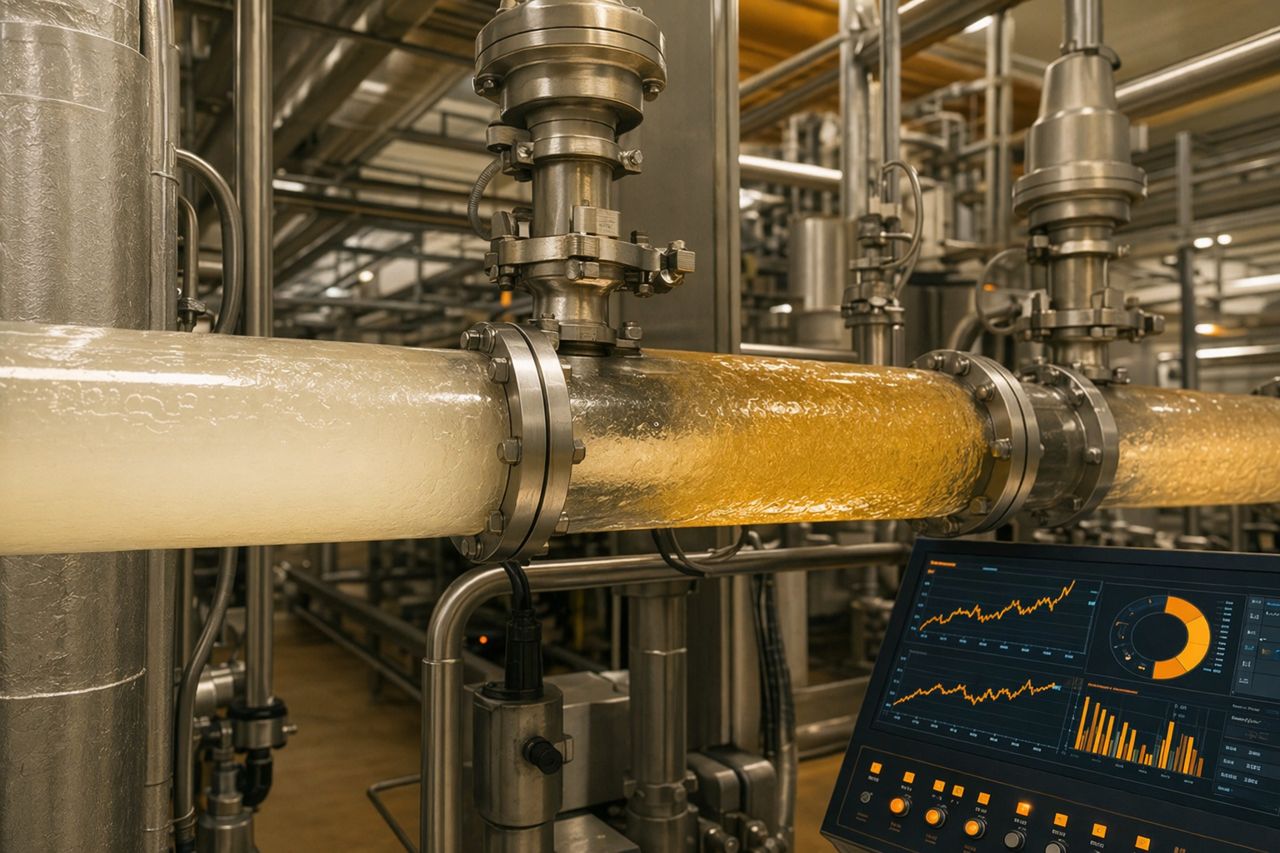
In rice syrup production, liquefaction is where starch slurry changes from heavy, difficult-to-move paste into a pumpable dextrin stream. If this step is unstable, the effects show up quickly: high viscosity, uneven conversion, overloaded filters, slower saccharification, variable Brix development, and more operator intervention.
As an enzyme supplier for rice syrup production, Enzymesvalue focuses on practical plant outcomes: stable viscosity control, easier jet cooking or batch cooking operation, better flow through heat exchangers and transfer lines, reduced filtration stress, and repeatable batch performance.
Built for Rice Starch Liquefaction
Rice starch behaves differently from corn, wheat, or tapioca starch. Particle hydration, gelatinization behavior, protein carryover, and slurry solids can all influence how the liquefaction step performs.
Enzymesvalue liquefaction enzyme solutions are selected for rice syrup factories that want to improve:
- Slurry thinning during cooking
- Pumpability after gelatinization
- Holding tank consistency
- Jet cooker or batch cooker stability
- Reduced risk of viscosity spikes
- More predictable conversion before saccharification
- Smoother filtration and clarification behavior
- More consistent syrup quality from batch to batch
Where the Enzyme Fits in the Rice Syrup Process
1. Rice starch slurry preparation
Before cooking, the starch slurry must be mixed evenly and managed within the plant's target solids range. Good liquefaction starts with uniform hydration and controlled feed conditions.
Enzymesvalue supports plants by helping align enzyme addition points with slurry preparation, pH adjustment, heat-up profile, and residence time.
2. Jet cooking or batch cooking
During cooking, rice starch gelatinizes and viscosity can rise sharply. A suitable alpha amylase helps cut starch chains during this critical window, reducing the load on pumps, agitators, transfer lines, and heat exchangers.
For jet cooking systems, the goal is fast viscosity reduction with stable flow. For batch systems, the goal is controlled thinning without uneven hot spots or under-converted zones.
3. Liquefaction holding
After cooking, the liquefied starch stream needs enough contact time to reach the plant's target dextrin profile before saccharification. Stable liquefaction helps create a more predictable feed for glucoamylase and other downstream enzyme steps.
4. Filtration and clarification
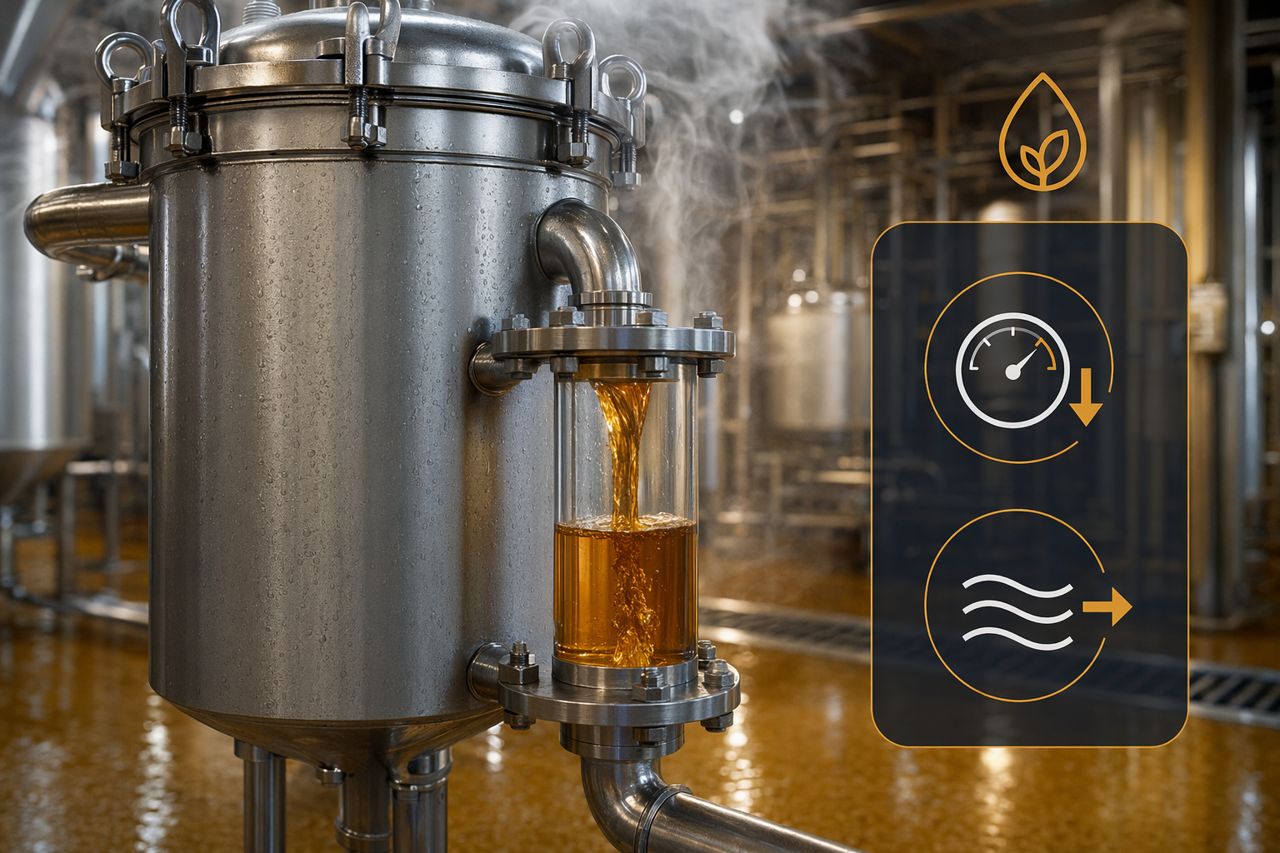
Poor liquefaction can carry viscosity problems into filtration. That can mean slower filter cycles, higher pressure rise, cloudy intermediate streams, and more frequent cleaning.
A well-matched liquefaction enzyme can reduce downstream strain by delivering a smoother, more manageable process stream.
Commercial Value for Syrup Factories
Enzymesvalue is built for B2B buyers who need practical production value, not generic enzyme claims.
More stable yield performance
Consistent liquefaction supports consistent saccharification. When the dextrin stream is predictable, downstream conversion is easier to control and final syrup yield becomes more stable.
Better viscosity control
Liquefaction enzyme selection directly affects how quickly and evenly the cooked starch stream thins. Better control reduces emergency adjustments and helps operators keep the line moving.
Less filtration pressure
A smoother liquefaction profile can reduce filter stress and help maintain throughput during long production runs.
More consistent batches
Rice syrup factories often run multiple batches with tight delivery schedules. Enzymesvalue helps plants reduce variability caused by raw material shifts, cooking differences, and inconsistent enzyme performance.
Technical support that understands the line
Enzymesvalue works with production teams on addition strategy, process fit, troubleshooting, and scale-up support. The focus is simple: help your plant run steadier.
Signs Your Liquefaction Step Needs Attention
Your plant may benefit from reviewing its liquefaction enzyme if you see:
- Slurry becoming too thick during or after cooking
- Pump load increasing during production
- Uneven Brix or conversion trends before saccharification
- Filter cycles shortening unexpectedly
- Holding tanks showing inconsistent viscosity
- More frequent line flushing or cleaning
- Batch-to-batch variation even with similar raw material inputs
- Operators relying on repeated manual corrections
Product Fit: Alpha Amylase for Rice Starch Liquefaction
Enzymesvalue supplies alpha amylase solutions suited for industrial rice starch liquefaction. The enzyme is selected to help break long starch chains into shorter dextrins during the cooking and holding stage.
Typical plant objectives include:
- Fast slurry thinning during heat treatment
- Stable operation across practical production conditions
- Compatibility with rice starch syrup process flows
- Strong support for downstream saccharification
- Lower risk of viscosity-related interruptions
- Reliable supply for continuous production planning
Jet Cooking vs. Batch Cooking Considerations
Jet cooking systems
Jet cooking requires rapid enzyme performance under high-flow, high-temperature process movement. Enzymesvalue helps plants review feed consistency, enzyme contact time, hold tube behavior, and post-cook viscosity targets.
Batch cooking systems
Batch liquefaction depends on mixing quality, heat distribution, dosing sequence, and residence time. Enzymesvalue supports plants in building a repeatable operating pattern that reduces local over-thickening and inconsistent conversion.
Why Rice Syrup Producers Choose Enzymesvalue
- Industrial enzyme supply focused on syrup production needs
- Practical support for plant trials and production review
- Clear recommendations based on your process conditions
- Reliable communication for purchasing, quality, and technical teams
- Formulation options for factory-scale liquefaction requirements
- B2B documentation support for qualification and procurement
What We Need to Quote
To recommend the right rice starch liquefaction enzyme, Enzymesvalue typically reviews:
- Rice starch or rice flour input type
- Slurry solids target
- Jet cooking or batch cooking setup
- Enzyme addition point
- Temperature and pH operating range
- Holding time after cooking
- Current viscosity or filtration concerns
- Desired syrup profile and downstream enzyme steps
- Monthly or annual purchasing volume
Request a Quote
If your rice syrup factory needs steadier liquefaction, better pumpability, and cleaner downstream operation, Enzymesvalue can help you select a suitable enzyme solution.
Use the on-site form below to request a quote. Share your process conditions and target production volume, and the Enzymesvalue team will respond with a practical recommendation for your line.
Frequently Asked Questions
Is this enzyme for rice starch or rice flour?
Enzymesvalue can support liquefaction programs for rice starch-based syrup production and can review rice flour-based processes where starch conversion and solids handling require enzyme support.
Can Enzymesvalue support both jet cooking and batch liquefaction?
Yes. Enzymesvalue can help review enzyme addition strategy, cooking profile, hold time, and downstream process behavior for both jet cooking and batch cooking systems.
Will liquefaction enzyme improve filtration?
Liquefaction enzyme is not a filter aid, but better viscosity control and more consistent dextrin formation can reduce filtration stress and improve process flow before clarification.
Do you provide plant trial support?
Yes. Enzymesvalue can support trial planning, operating condition review, and practical troubleshooting so your team can evaluate performance under real production conditions.
How do we start?
Send your process details through the request quote form. Enzymesvalue will review your liquefaction setup and recommend a suitable enzyme supply option for rice syrup production.