Rice Syrup vs Corn Syrup: Processing Differences That Matter in the Factory
Rice syrup and corn syrup can look similar in a finished drum: clear to amber, viscous, sweet, and ready for food, beverage, confectionery, or fermentation customers. On the factory floor, however, the two syrups behave differently.
For rice syrup producers, the main challenge is not simply converting starch into sugar. It is controlling slurry behavior, liquefaction stability, filtration load, color development, syrup clarity, and batch-to-batch consistency when the raw material is rice-based rather than refined corn starch.
Enzymesvalue works as an enzyme supplier for rice syrup production with a practical focus: stable conversion, manageable viscosity, cleaner downstream handling, and technical support that understands what happens between the slurry tank and the evaporator.
The short version for plant teams
Corn syrup production often starts from a highly standardized corn starch stream. Rice syrup production commonly starts from broken rice, rice flour, or rice starch with more variability in particle behavior, protein content, lipid traces, and insoluble load.
That difference changes the processing conversation.
| Factory point | Corn syrup processing | Rice syrup processing |
|---|---|---|
| Raw material behavior | Usually more standardized starch input | Greater variation by rice type, milling quality, and flour condition |
| Slurry viscosity | Generally predictable when starch quality is consistent | Can rise quickly if hydration, gelatinization, or liquefaction is uneven |
| Liquefaction control | Mature process windows and repeatable starch behavior | Requires tighter enzyme/process coordination to avoid heavy slurry and incomplete thinning |
| Filtration behavior | Often cleaner when upstream starch refining is strong | More sensitive to insoluble solids, protein-lipid residues, and conversion profile |
| Color and clarity | Controlled by starch purity and heat history | More affected by raw rice quality, hold time, and downstream solids management |
| Commercial risk | Conversion drift and yield loss | Viscosity spikes, slow filtration, variable syrup profile, downtime, and rework |
Raw material differences drive process differences
Corn syrup is usually built around corn wet milling infrastructure. The starch stream is relatively controlled before syrup conversion begins. That gives many corn syrup plants a predictable starting point for liquefaction and saccharification.
Rice syrup factories may process rice flour, broken rice, or rice starch from different origins. Even when the recipe looks stable on paper, plant behavior can shift with:
- rice variety and harvest conditions;
- milling fineness and damaged starch level;
- residual protein, lipid, and ash load;
- slurry hydration behavior;
- storage age of flour or broken rice;
- seasonal changes in incoming raw material.
These variables show up as practical factory issues: higher viscosity, slower mixing, uneven conversion, haze, filtration pressure, and less predictable syrup solids concentration.
Liquefaction: where rice syrup factories win or lose stability
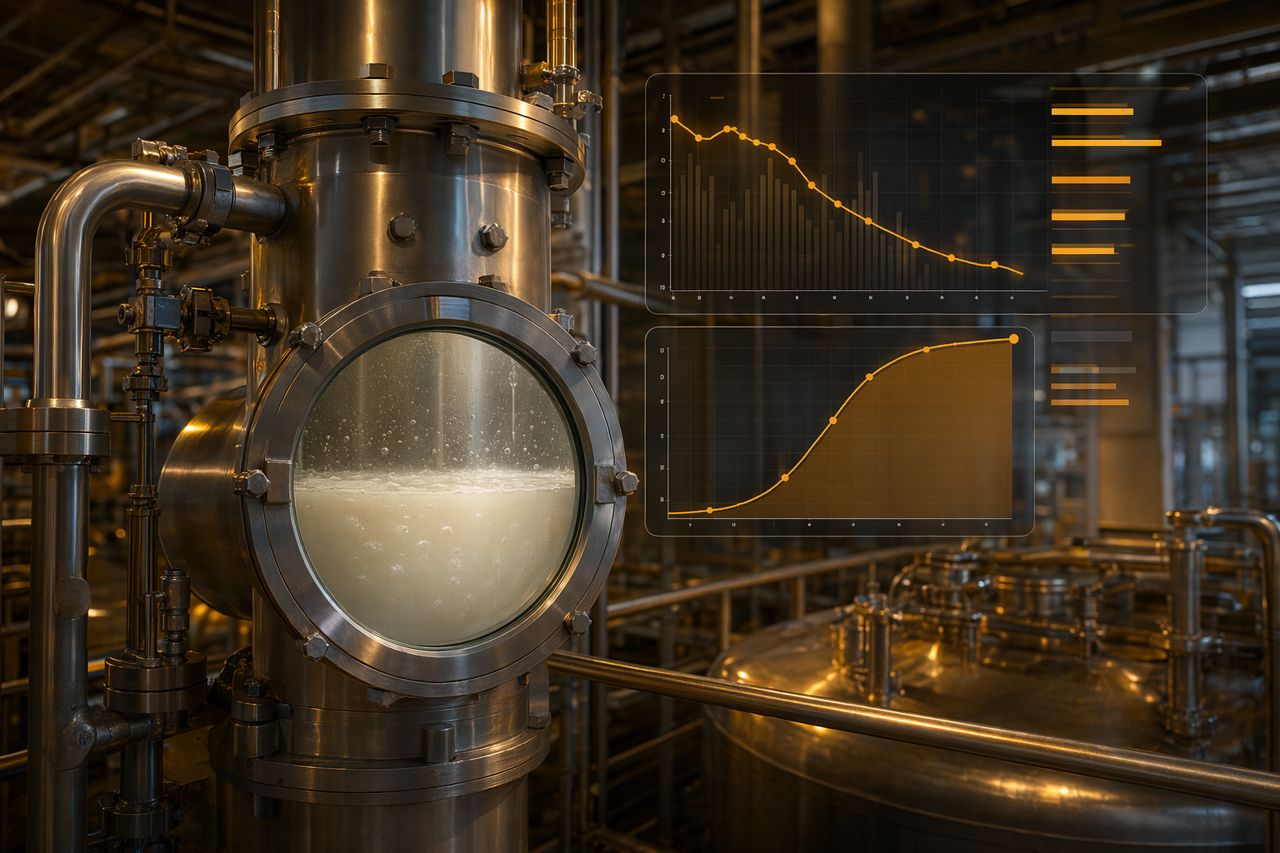
Liquefaction is one of the most important control points in rice syrup production. The goal is to reduce starch slurry viscosity quickly and evenly so the downstream conversion has a stable base.
In corn syrup plants, liquefaction is often supported by a starch stream that has already been refined and standardized. In rice syrup plants, the enzyme system may need to work through a less forgiving matrix.
What can go wrong in rice liquefaction
Plant teams often see the impact as:
- slow viscosity drop after starch swelling;
- poor pumpability during peak thickening;
- inconsistent jet cooking or hold-tank behavior;
- heavier load on agitators and transfer pumps;
- uneven conversion from the center to the edge of the batch;
- higher filtration burden later in the process.
A reliable liquefaction enzyme program is not only about conversion speed. It is about protecting flow, heat transfer, and batch control.
Saccharification: sugar profile is not the only target
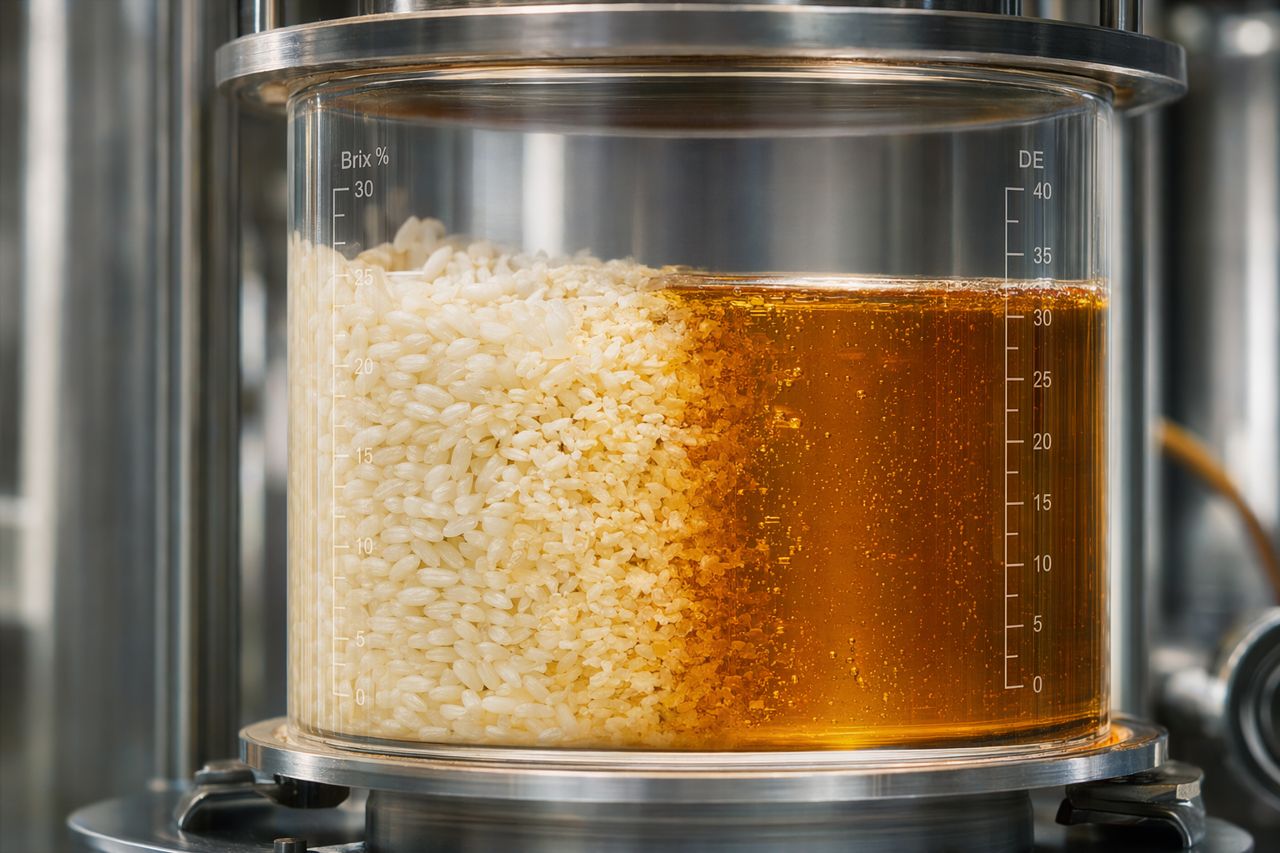
Saccharification defines the final sugar profile, sweetness, fermentability, and syrup body. Corn syrup production may target a range of dextrose equivalent profiles depending on the customer application. Rice syrup producers often need the same commercial control, but with more attention to how the earlier slurry step affects the final result.
If liquefaction is uneven, saccharification can become inconsistent. That can lead to:
- batch-to-batch variation in sweetness and viscosity;
- longer holding times to reach target profile;
- higher risk of color development;
- syrup that behaves differently in customer formulations;
- rework or blending pressure before shipment.
Enzymesvalue supports rice syrup producers with enzyme selection and process guidance for the full conversion path, not only a single reaction step.
Filtration behavior is a major separator
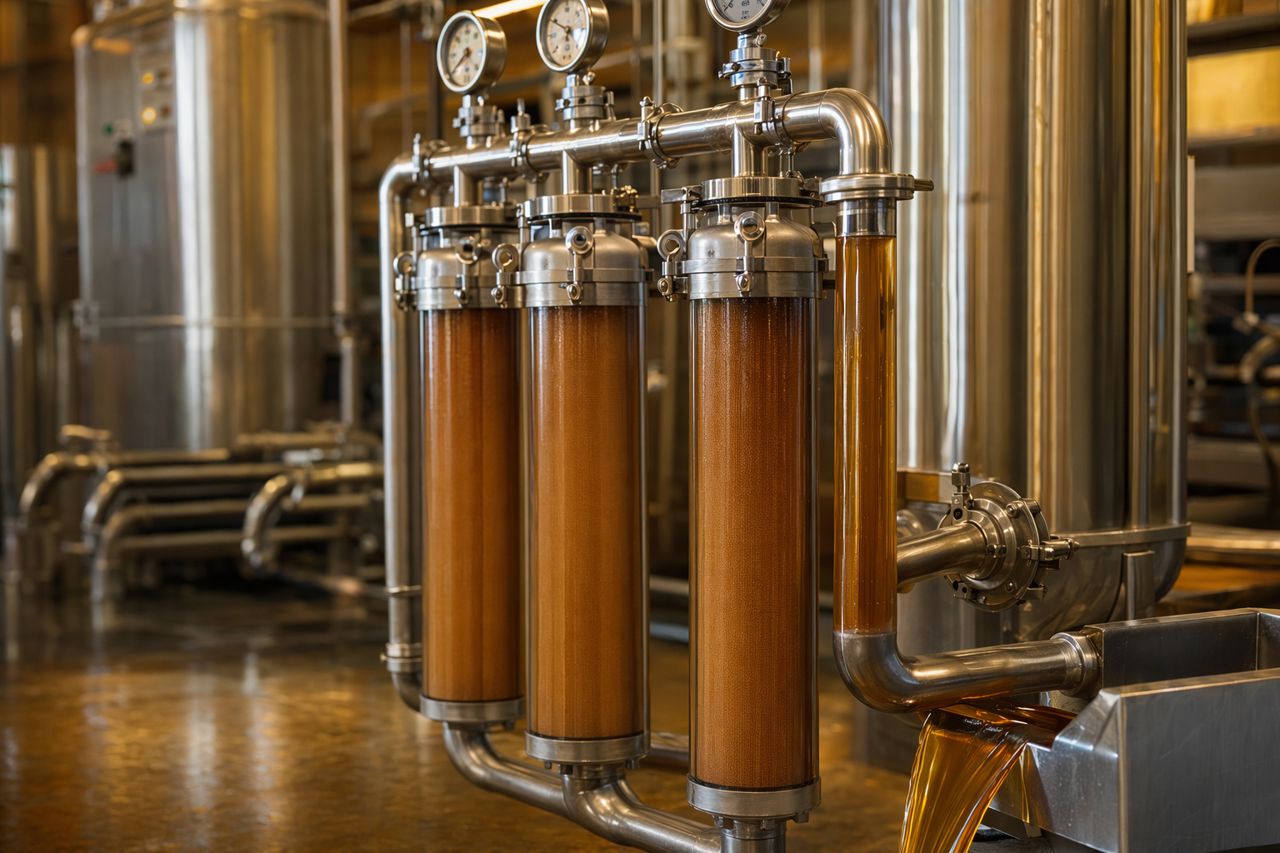
One of the biggest differences between rice syrup and corn syrup processing is how the material behaves during solid-liquid separation.
Rice-based feedstocks can introduce more insoluble material into the system. If the upstream conversion is not controlled, filtration can slow down even when the sugar profile appears acceptable.
Factory signs of poor filtration readiness
Watch for:
- rising filter pressure;
- shorter filter cycles;
- cloudy intermediate syrup;
- higher filter aid demand;
- solids breakthrough;
- inconsistent flow to evaporation;
- more cleaning events between batches.
The right enzyme strategy can help reduce viscosity and improve the condition of the stream entering filtration. This does not replace mechanical discipline, but it can make the separation step more predictable.
Evaporation and concentration: viscosity comes back into focus
After conversion and clarification, syrup concentration brings viscosity back into the conversation. A rice syrup that looks manageable in the converter can become difficult once solids are concentrated.
This matters for:
- evaporator stability;
- transfer line pressure;
- heat exchange efficiency;
- final Brix control;
- filling performance;
- storage and drum handling.
The commercial issue is simple: when viscosity is unstable, the plant spends more time correcting the process and less time shipping predictable syrup.
Why enzyme choice is different for rice syrup
A corn syrup enzyme program is not always a direct fit for rice syrup. The starch source, slurry behavior, and solids load are different enough that rice syrup producers need enzyme support built around their process reality.
Enzymesvalue focuses on practical enzyme selection for:
- liquefaction viscosity control;
- stable saccharification performance;
- improved conversion consistency;
- filtration-friendly process behavior;
- reduced downtime caused by heavy or inconsistent batches;
- support for target syrup profiles and customer specifications.
The best enzyme program is not selected only from a product sheet. It is selected against the plant’s raw material, equipment layout, process sequence, and commercial specification.
Rice syrup vs corn syrup: the buyer’s checklist
If you are evaluating enzyme supply for a rice syrup factory, compare more than price per kilogram. Ask whether the supplier can help you control the factory variables that affect cost and shipment reliability.
1. Can the enzyme program handle rice feedstock variation?
Rice flour and broken rice can vary more than expected. The enzyme system should help keep conversion stable across practical raw material changes.
2. Does it reduce viscosity early enough?
A late viscosity drop still creates pumping, mixing, heat transfer, and scheduling problems. Early process behavior matters.
3. Does it support filtration, not only conversion?
A syrup that reaches the desired sugar profile but filters poorly still costs the plant money.
4. Is technical support available when batches drift?
Rice syrup plants need supplier support that can discuss slurry behavior, holding conditions, filtration performance, and downstream symptoms in plain operational terms.
5. Can the supplier support scale-up and routine production?
Lab success is useful, but factory repeatability is the commercial goal.
Where Enzymesvalue fits
Enzymesvalue supplies enzyme solutions for rice syrup production with a focus on factory outcomes: smoother liquefaction, stable saccharification, better filtration behavior, and consistent syrup quality.
For producers moving from trial batches to routine production, or for established plants dealing with viscosity, filtration, or batch variation, Enzymesvalue can help evaluate the enzyme program against real operating conditions.
We speak in practical terms because that is how plant problems appear: thick slurry, slow filters, drifting syrup profile, longer cycle time, and customer complaints.
Request a quote for your rice syrup process
If your plant is reviewing enzyme supply for rice syrup production, share your feedstock type, process outline, target syrup profile, and current production challenge.
Enzymesvalue request a quote form
Our team will respond with a commercially practical recommendation for your rice syrup factory.